Absolute Predict · Blog
Messi's Final Argentina Match: Achievements & Legacy
Lionel Messi has played his final match for Argentina. Explore his World Cup, Copa América, Finalissima, Olympic and U-20 achievements and records.

There was no better way to close it.
Lionel Messi has played his final match for Argentina, bringing an extraordinary 21-year international career to an emotional end at the Estadio Monumental in Buenos Aires. In his farewell appearance against Benin on October 6, 2026, the 39-year-old scored from the penalty spot and provided two assists as Argentina won 3-0.
For a player who spent years being told that Argentina needed more from him, Messi leaves the national team having delivered almost everything imaginable.
A World Cup. Two Copa América titles. A Finalissima. Olympic gold. A youth World Cup. Records that may stand for decades.
And, perhaps most importantly, the affection of a country that once wondered whether its greatest player truly belonged to them.
The Last Dance at the Monumental
The farewell had been carefully arranged, but football still found a way to make it feel genuine.
More than 85,000 supporters packed the Monumental. Messi entered the pitch alongside his children, received tributes from his teammates and opponents, and was given a prolonged ovation during the match.
Then came the familiar magic.
Messi assisted Nicolás Otamendi for Argentina's opener, helped Nico Paz score the second and converted a penalty for his final international goal. He finished his Argentina career with 208 appearances and 126 goals, according to Reuters' post-match tally, making him comfortably the country's most-capped player and leading scorer.
The numbers are extraordinary.
But they do not quite explain what Messi became to Argentina.
Messi's Argentina Achievements
Messi's honours with Argentina stretch across youth, Olympic and senior football.
FIFA U-20 World Cup — 2005
Before becoming Argentina's senior-team superstar, Messi announced himself on the international stage at the 2005 FIFA U-20 World Cup in the Netherlands.
Argentina won the tournament, with Messi finishing as the Golden Boot winner and Golden Ball winner.
It was an early warning of what was coming.
Olympic Gold — 2008
Three years later, Messi helped Argentina win the men's Olympic football gold medal in Beijing.
That gave him his second major international title before he had even established the senior-team trophy collection that would eventually define his career.
Copa América — 2021
For years, international glory had been the glaring omission from Messi's résumé.
That changed at the Maracanã.
Argentina defeated Brazil in the 2021 Copa América final, giving Messi his first major senior trophy with Argentina.
The significance went beyond the medal. After years of criticism and several painful final defeats, Messi finally had his first major title with the senior national team.
Finalissima — 2022
Argentina followed the Copa América triumph by defeating European champions Italy in the 2022 Finalissima at Wembley.
Messi did not score, but he produced a typically influential performance as Argentina won 3-0.
Another trophy went into the cabinet.
FIFA World Cup — 2022
Then came the one Argentina had been waiting for.
At Qatar 2022, Messi captained Argentina to the World Cup title, defeating France on penalties after a spectacular 3-3 final.
He scored twice in the final and became the first player to score in the group stage, round of 16, quarter-final, semi-final and final of the same World Cup.
Messi also won the Golden Ball as the tournament's best player, becoming the first player to win that award twice after previously receiving it at Brazil 2014.
For Argentina, it was the moment that settled the argument.
The boy from Rosario had finally brought the World Cup home.
Copa América — 2024
Argentina did not stop after Qatar.
At the 2024 Copa América in the United States, Argentina defeated Colombia in the final to retain the continental crown.
Messi therefore ended his senior Argentina career with four major senior titles:
- Copa América 2021
- Finalissima 2022
- FIFA World Cup 2022
- Copa América 2024
Add his U-20 World Cup and Olympic gold medal, and Messi's Argentina career contains six international titles across senior, youth and Olympic football.
His World Cup Story Was Bigger Than Qatar
Messi played at six World Cups: 2006, 2010, 2014, 2018, 2022 and 2026.
His first World Cup came as a teenager in Germany. Eight years later, he carried Argentina to the 2014 final, where they lost 1-0 to Germany after extra time.
Russia 2018 ended in the round of 16.
Qatar 2022 produced the masterpiece.
And in 2026, Messi returned for one final tournament, helping Argentina reach another World Cup final before Spain won 1-0 after extra time.
He finished his World Cup career with 34 appearances and 21 goals, while winning the World Cup Golden Ball twice.
He also became the player with the most World Cup appearances and victories, according to the Argentine Football Association.
Not a bad six-chapter story.
Messi and the Copa América
Messi's relationship with the Copa América was considerably more complicated.
He reached five finals:
- 2007 — Runner-up
- 2015 — Runner-up
- 2016 — Runner-up
- 2021 — Champion
- 2024 — Champion
He played 39 Copa América matches across seven editions, a tournament record for appearances, and scored 14 goals.
The 2015 and 2016 defeats were particularly painful. After the 2016 final loss to Chile, Messi briefly announced his international retirement.
It lasted only a few months.
Argentina needed him. Messi eventually came back.
The rest is history.
The Records Messi Leaves Behind
Messi's international statistics are almost difficult to put into context.
At the end of his Argentina career, he stood as:
- Argentina's most-capped player
- Argentina's all-time leading scorer
- CONMEBOL World Cup qualifying's all-time leading scorer
- Player with the most World Cup appearances
- Player with the most World Cup victories
- Only player to win the World Cup Golden Ball twice
- First player to score in every knockout stage of a single World Cup, from the round of 16 through the final
- Argentina's record scorer at the World Cup with 21 goals
He also finished with 36 goals in South American World Cup qualifying, according to the AFA.
There is something fitting about that last statistic.
For years, Messi was judged primarily by what happened in World Cups and finals. Eventually, he became the player against whom Argentina's future generations will be measured.
From “Pecho Frío” to National Icon
Perhaps the most remarkable part of Messi's Argentina story isn't actually a statistic.
It is the change in public perception.
Early in his international career, Messi faced criticism for supposedly lacking the passion associated with Argentine football. His extraordinary Barcelona performances did not automatically translate into unconditional love from supporters at home. Reuters' retrospective on his farewell describes how the relationship gradually developed from suspicion to admiration.
Then came 2014.
Then the Copa América disappointments.
Then 2016.
Then the 2021 breakthrough.
Then Wembley.
Then Qatar.
By the time Messi lifted the World Cup in 2022, the argument had largely disappeared.
Argentina no longer asked whether Messi was enough.
They simply wanted to enjoy him.
What Messi's Final Argentina Match Leaves Behind
Messi's final night was almost cinematic: a packed Monumental, a victory, a goal, two assists, fireworks and an emotional farewell.
But the lasting image will probably not be the penalty.
It will be Messi standing in the Argentina shirt one final time, knowing that there was nothing left for him to prove.
He gave Argentina 208 matches, 126 goals, six international titles across all levels, two World Cup Golden Balls, countless records and the trophy the country had waited 36 years to see again.
Messi's international journey also offers a lesson that applies far beyond one player's career: football cannot always be reduced to numbers before the story is understood. Form, statistics and predictions matter, but so do pressure, timing, mentality and the ability to perform when the entire football world is watching.
Messi leaves the Argentina shirt behind.
The shirt, however, will never quite be the same without him.
Share this insight
Leave a Comment
Comments are turned off for now
Keep reading
Related articles
Pedro Retires From Professional Football: A Trophy-Laden Career Comes to an End
Pedro Rodríguez has retired from professional football at 39. Explore his Barcelona, Chelsea, Lazio …
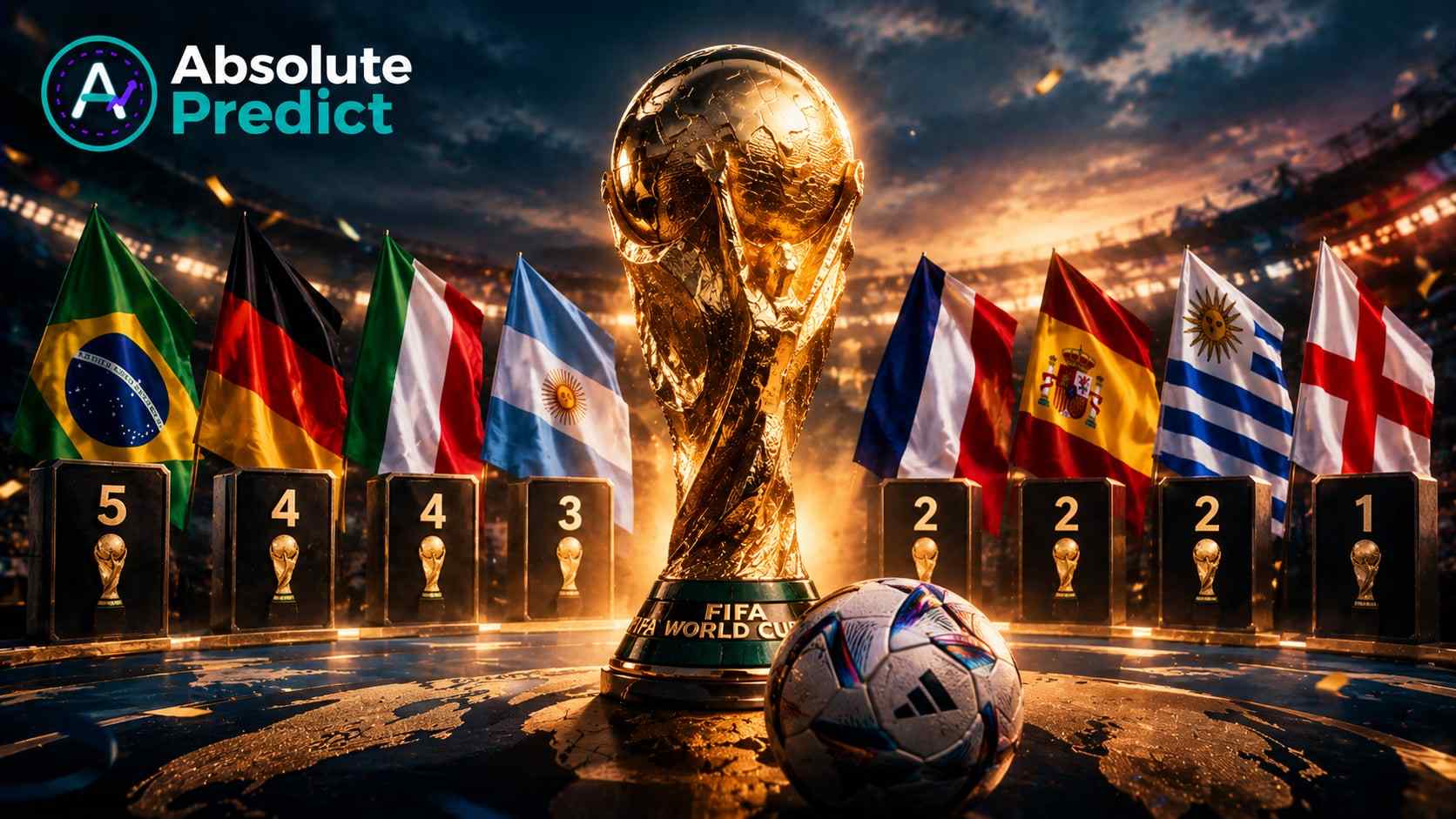
Top 10 Countries With the Most FIFA World Cup Titles in History
Discover the countries with the most FIFA World Cup titles, from Brazil's record five to Spain's lat…
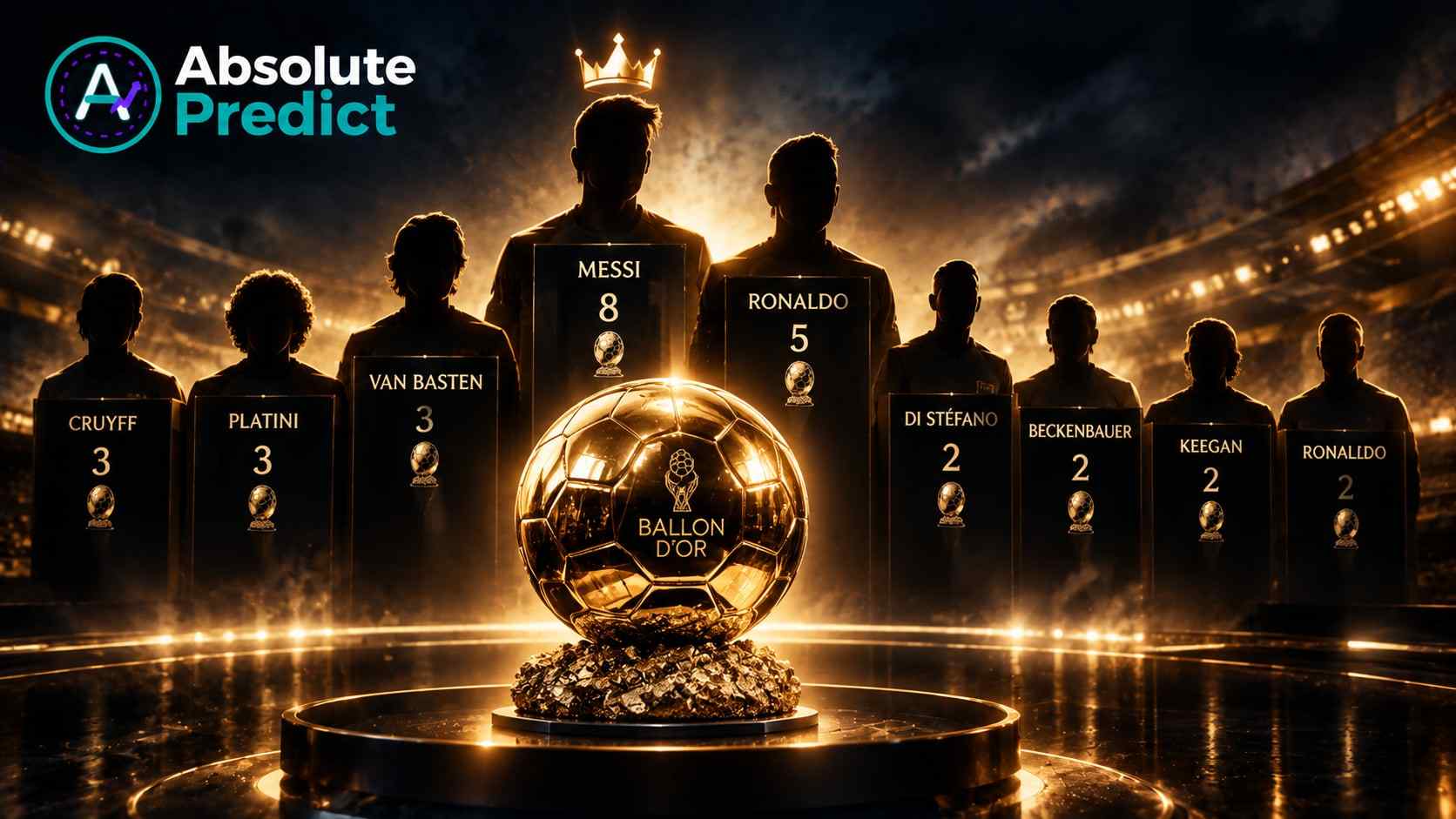
Top 10 Players With the Most Ballon d’Or Awards in Football History
Discover the top 10 football players with the most Ballon d’Or awards, from Lionel Messi and Cristia…

How Does the Premier League Table Work? And What About Other Football Leagues?
Learn how Premier League and other football league tables work, including points, goal difference, E…
Sam Dick
Published Oct 7, 2026
Focus Keyword
Description
Lionel Messi has played his final match for Argentina. Explore his World Cup, Copa América, Finalissima, Olympic and U-20 achievements and records.
Category
No comments yet. Be the first to comment!