Absolute Predict · Blog
Champions League Format: Draw, Fixtures and Rules Explained
Learn how the Champions League draw works, how fixtures are made, how the 36-team league phase is played and how clubs qualify for the knockout rounds.

The UEFA Champions League is football’s grand European stage, where domestic champions and elite clubs collide, reputations are tested and one poor night can turn a promising campaign into a season of regret.
Yet understanding the competition requires more than knowing when Real Madrid, Barcelona, Liverpool or Manchester City are playing. Fans also need to understand how teams qualify, how the draw is conducted, why clubs face different opponents and how the league table determines who reaches the knockout rounds.
The biggest change is that the Champions League no longer begins with the traditional group stage. Since the 2024/25 season, it has used a 36-team league phase, with each club playing eight different opponents before the knockout rounds begin. The 2026/27 season is the third edition of this format.
Here is how the competition works, without requiring a UEFA rulebook beside your television.
1. How teams qualify for the Champions League
Clubs qualify mainly through their performance in their domestic leagues. The number of places awarded to each country depends on UEFA's access rules and the performance of its clubs in European competitions.
For example, leading leagues such as England, Spain, Germany and Italy can receive multiple places, while clubs from other countries may need to progress through qualifying rounds.
The Champions League also includes qualifying ties before the league phase, meaning some teams must win several matches just to reach the main competition. The defending champion has a route to qualification under UEFA's regulations if it has not already qualified through its domestic league.
The result is a mix of established European powers, domestic champions and clubs that have earned their place through qualifying.
2. How the Champions League draw is made
The league-phase draw is designed to give every club a varied schedule rather than placing four teams into a small group that they play home and away.
For the 2026/27 edition, UEFA divided the 36 clubs into four pots of nine teams, based primarily on their individual club coefficients. The Champions League titleholder receives special treatment in the seeding rules.
Each club is assigned eight opponents: two from each pot. One opponent from each pot is played at home and the other away, giving every team four home matches and four away matches.
There are restrictions, too. Clubs generally cannot be drawn against a team from their own national association, and they can face no more than two clubs from any other single association in the league phase.
In simple terms, a club does not play every other team. It receives a selection of eight opponents, and those results determine its position in one combined league table.
3. How Champions League fixtures are decided
Once the draw identifies each club's opponents, UEFA arranges the match dates and kick-off times to produce the official fixture list.
The 2026/27 league phase runs across eight matchdays, from September 2026 to January 2027. Most fixtures take place on Tuesdays and Wednesdays, although the opening matchday can span Tuesday, Wednesday and Thursday.
For example, imagine a club draws:
- Four opponents for its home matches.
- Four different opponents for its away matches.
- A mixture of teams from different pots, subject to UEFA's draw restrictions.
That club's fixture list is then organised across the eight matchdays. Teams do not simply choose when they want to play; UEFA coordinates the schedule, taking competition requirements and logistical considerations into account.
The draw decides who plays whom. The fixture announcement confirms when and where each match takes place.
4. How the league phase is played
Every team plays eight matches against eight different opponents. Unlike the old group format, clubs do not play the same three opponents twice during this stage.
The points system is familiar to anyone who follows domestic football:
| Match result | Points awarded |
| Win | 3 |
| Draw | 1 |
| Loss | 0 |
All 36 clubs appear in one league table. A team's position depends on its results against its eight opponents, not on a separate mini-table containing only four clubs.
Champions League
This makes every match significant. A victory over a strong opponent can improve a club's position, while dropping points against a lower-ranked side can create problems later.
A simple example
Imagine Arsenal finish the league phase with six wins, one draw and one defeat.
- Six wins earn 18 points.
- One draw adds one point.
- One defeat adds nothing.
Their total would be 19 points.
That number is then compared with the points earned by the other 35 clubs. It is the overall ranking that matters.
5. What happens when the league phase ends?
This is where the table becomes especially important. Finishing in the top eight is a significant advantage because those clubs advance directly to the round of 16.
The final standings produce three outcomes:
1–8 : Direct qualification
The top eight clubs go straight into the round of 16, skipping the knockout play-offs.
9–24 : Knockout play-offs
These 16 clubs compete in two-legged ties. The eight winners join the top eight in the round of 16.
25–36 : Elimination
These clubs leave the competition. There is no transfer to the Europa League for teams eliminated from this league phase.
The new system creates an interesting incentive: clubs are not merely trying to qualify. They are also trying to finish high enough to avoid an extra knockout round.
6. How the knockout rounds work
After the play-offs, the competition moves into the familiar knockout format.
- Round of 16: 16 clubs remain.
- Quarter-finals: Eight clubs remain.
- Semi-finals: Four clubs remain.
- Final: Two clubs compete for the trophy.
From the round of 16 through the semi-finals, ties are normally played over two legs, with each team hosting one match. The club that scores more goals across the two matches advances. If the aggregate score is level, the tie goes to extra time and, if necessary, a penalty shootout. The away-goals rule is no longer used.
The final is different: it is a single match at a neutral venue. If the score is level after 90 minutes, extra time and potentially penalties decide the champion.
For the 2026/27 season, UEFA has scheduled the final for 5 June 2027 at the Estadio Metropolitano in Madrid, Spain.
7. What happens if teams finish level on points?
Points are the starting point, but they do not always settle the table.
UEFA uses additional ranking criteria when teams have the same number of points, beginning with goal difference in the league phase and then goals scored, followed by further criteria in the competition regulations.
Goal difference is calculated by subtracting goals conceded from goals scored.
For example:
- Team A scores 15 goals and concedes 6: goal difference +9.
- Team B scores 12 goals and concedes 5: goal difference +7.
If the teams have equal points, Team A would rank higher on goal difference, assuming the earlier applicable criteria do not separate them.
That is why a late goal can matter even when a match is already won. It may improve a club's position and affect its route through the competition.
8. Why the new format matters for fans and predictions
The league phase changes how supporters assess a team's campaign. A club can face a difficult run of opponents, travel across Europe and still need points from its final fixtures to secure direct qualification.
For football analysis, that means the badge alone tells only part of the story. Useful factors include:
- Recent form and the quality of the opponents faced.
- Home and away performance.
- Injuries, suspensions and likely starting line-ups.
- Tactical match-ups and how teams handle different playing styles.
- The league table, remaining fixtures and the consequences of a win or defeat.
This is where Absolute Predict can serve as a useful research companion. Match previews and predictions are more meaningful when read alongside form, team news and the wider competition context, rather than treated as guaranteed outcomes.
A club sitting 12th may have a realistic route into the top eight; another sitting eighth may still face a difficult run. Position matters, but the fixtures behind that position matter too.
Final takeaway
The Champions League has evolved from a traditional group competition into a single 36-team league phase followed by knockout football. The draw gives every club eight different opponents, the fixtures spread those matches across the season, and the final table determines who advances directly, who must survive the play-offs and who goes home.
For fans, the format adds more variety. For clubs, it rewards consistency. And for anyone studying match predictions, it provides another reminder that understanding the route to the trophy can be just as important as knowing the teams chasing it
Share this insight
Leave a Comment
Comments are turned off for now
Keep reading
Related articles
Messi Plays His Final Match for Argentina: A Record-Breaking International Career Comes to an End
Lionel Messi has played his final match for Argentina. Explore his World Cup, Copa América, Finaliss…
Pedro Retires From Professional Football: A Trophy-Laden Career Comes to an End
Pedro Rodríguez has retired from professional football at 39. Explore his Barcelona, Chelsea, Lazio …
Top 10 Countries With the Most FIFA World Cup Titles in History
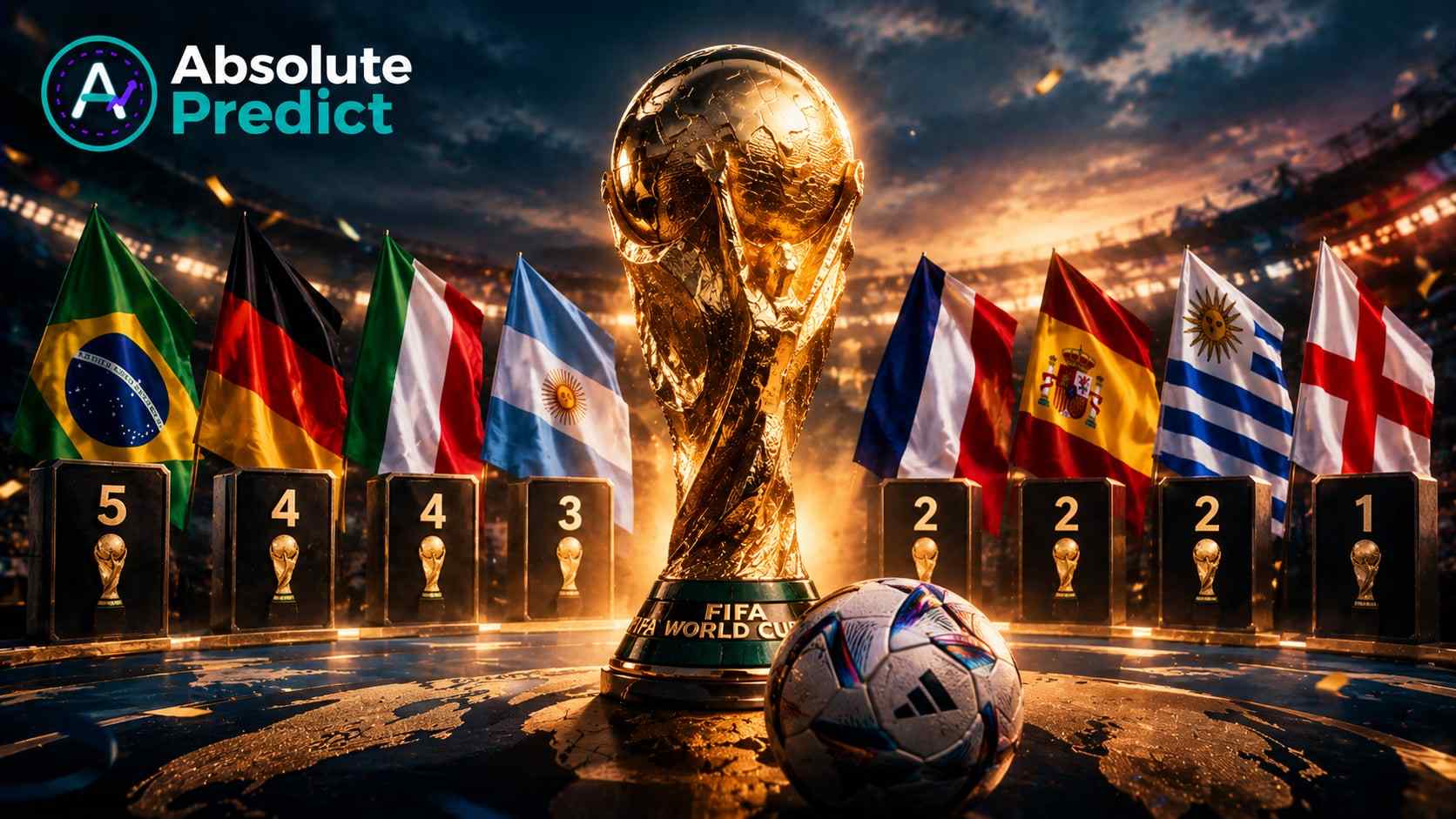
Discover the countries with the most FIFA World Cup titles, from Brazil's record five to Spain's lat…
Top 10 Players With the Most Ballon d’Or Awards in Football History
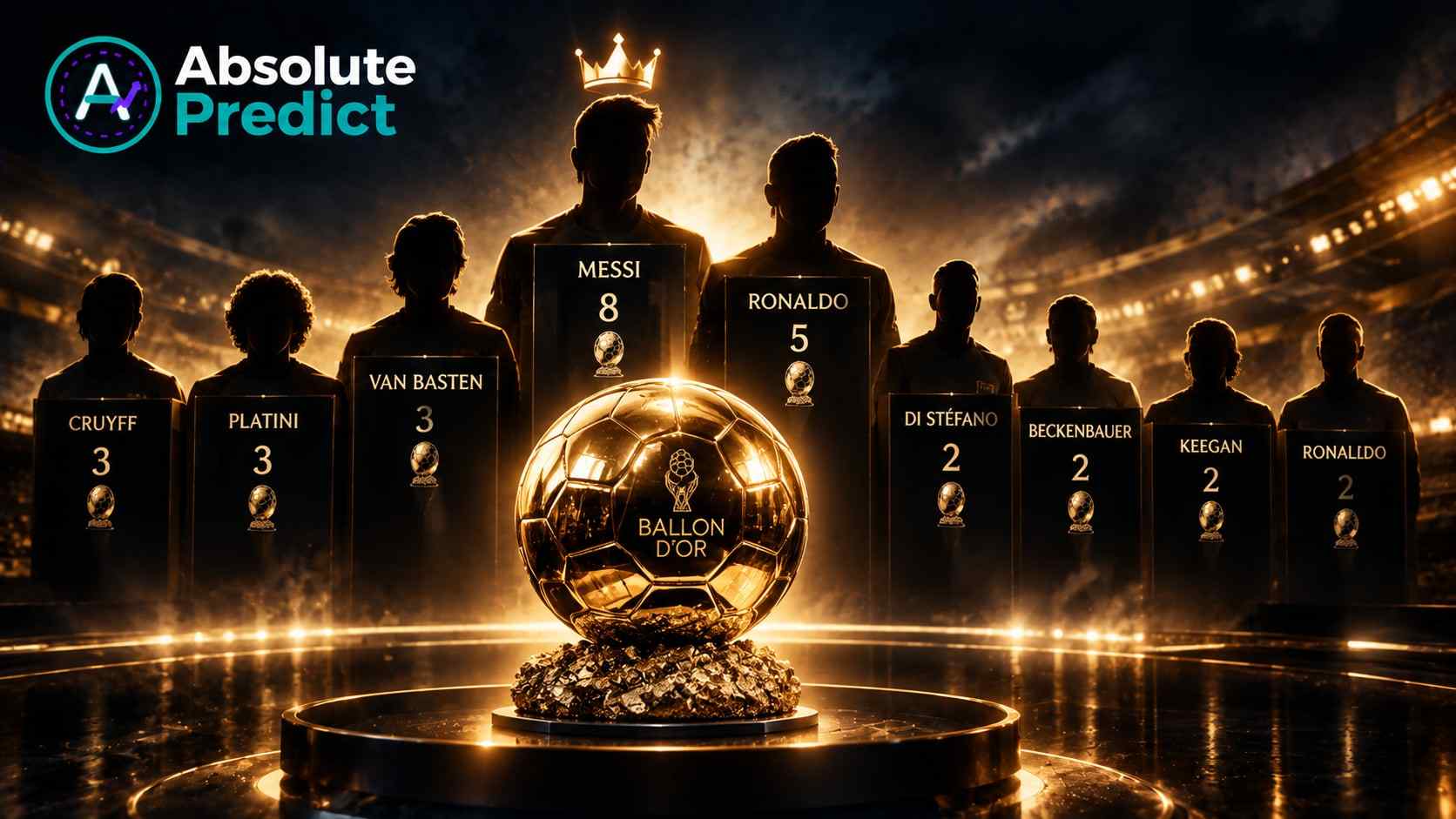
Discover the top 10 football players with the most Ballon d’Or awards, from Lionel Messi and Cristia…
Sam Dick
Published Oct 10, 2026
Focus Keyword
Description
Learn how the Champions League draw works, how fixtures are made, how the 36-team league phase is played and how clubs qualify for the knockout rounds.
Category
No comments yet. Be the first to comment!